News & Articles
Company updates, industry news and technical articles

Jiangsu SIENCUN Instrument Co., Ltd. has recently passed the ISO9001:2015 quality management system recertification audit. The certification covers the design, production and service of industrial automation instruments, confirming that the company continues to meet international standards in process control, quality traceability and customer satisfaction management.
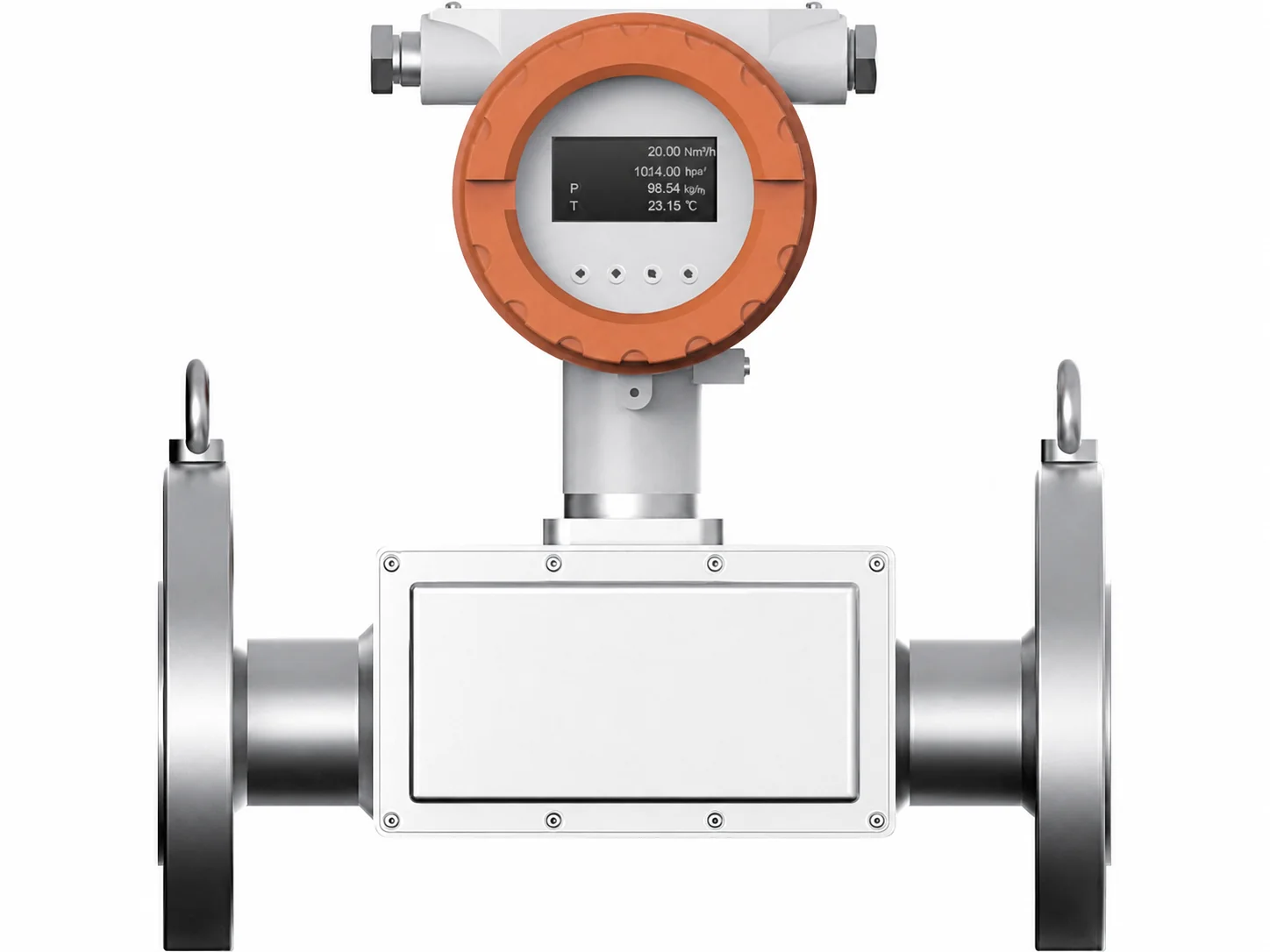
With the development of Industry 4.0, remote monitoring of flowmeters has become key to digital transformation in process industries. Based on public technical standards, this article introduces a flowmeter remote monitoring solution built on IoT, cloud computing, and big data analytics, covering system architecture, communication protocols, data processing, and practical application cases, aiming to improve data collection efficiency, reduce O&M costs, and optimize process control.
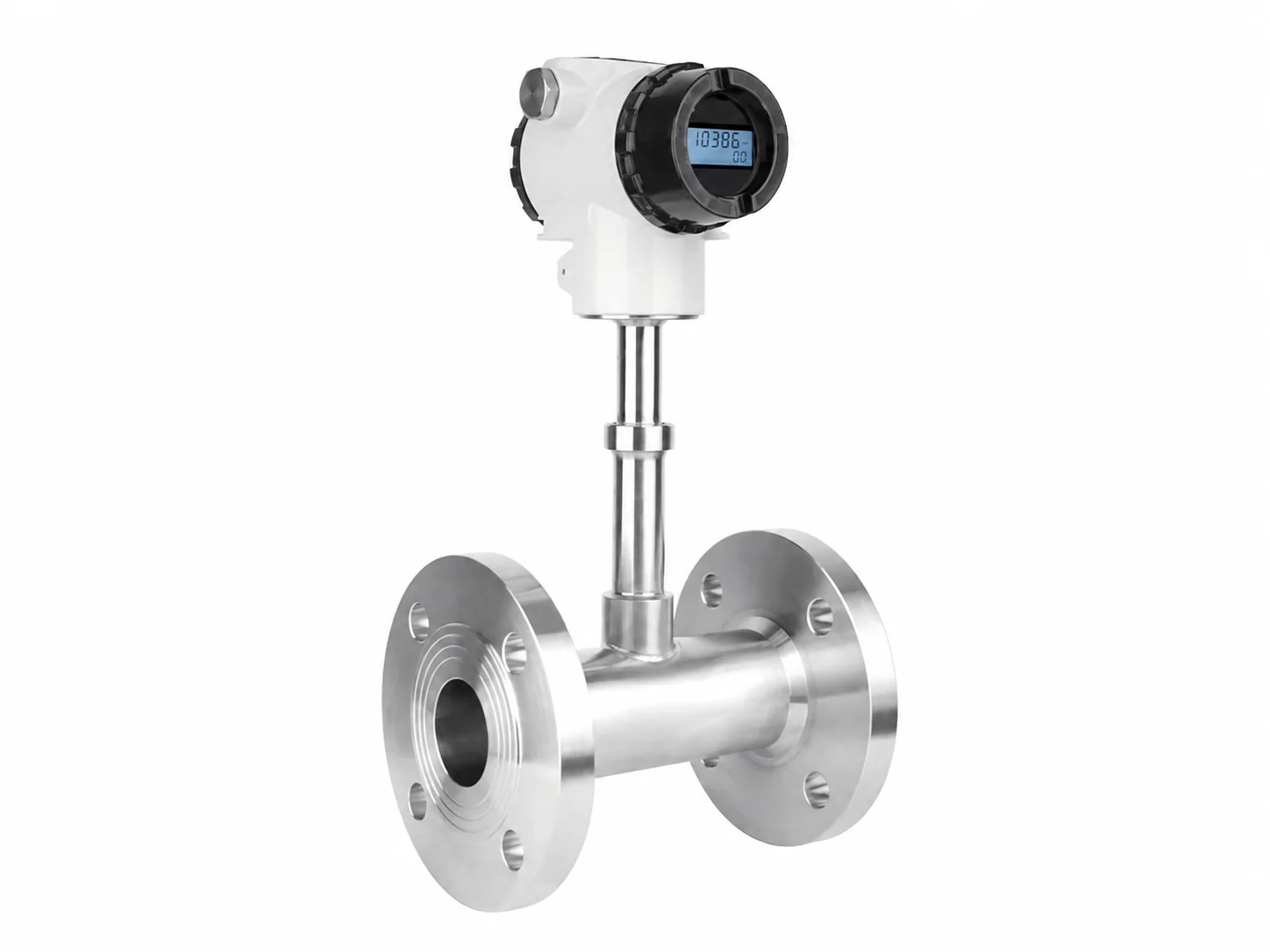
This article interprets the definition of accuracy classes for industrial flowmeters, comparing Class 0.5 and Class 0.2 in terms of maximum permissible error, turndown ratio, environmental adaptability, and application scenarios. Examples illustrate the impact of accuracy selection on measurement results, emphasizing that selection should consider process requirements, cost, and maintenance rather than blindly pursuing high accuracy.
This article compares ultrasonic and electromagnetic flowmeters from working principle, applicable media, accuracy, installation and maintenance, helping engineers make reasonable choices based on conditions such as conductivity, bubbles, pipe diameter, etc. Selection principles based on standards (e.g., GB/T 18604, GB/T 2624) are emphasized, avoiding brand preference.
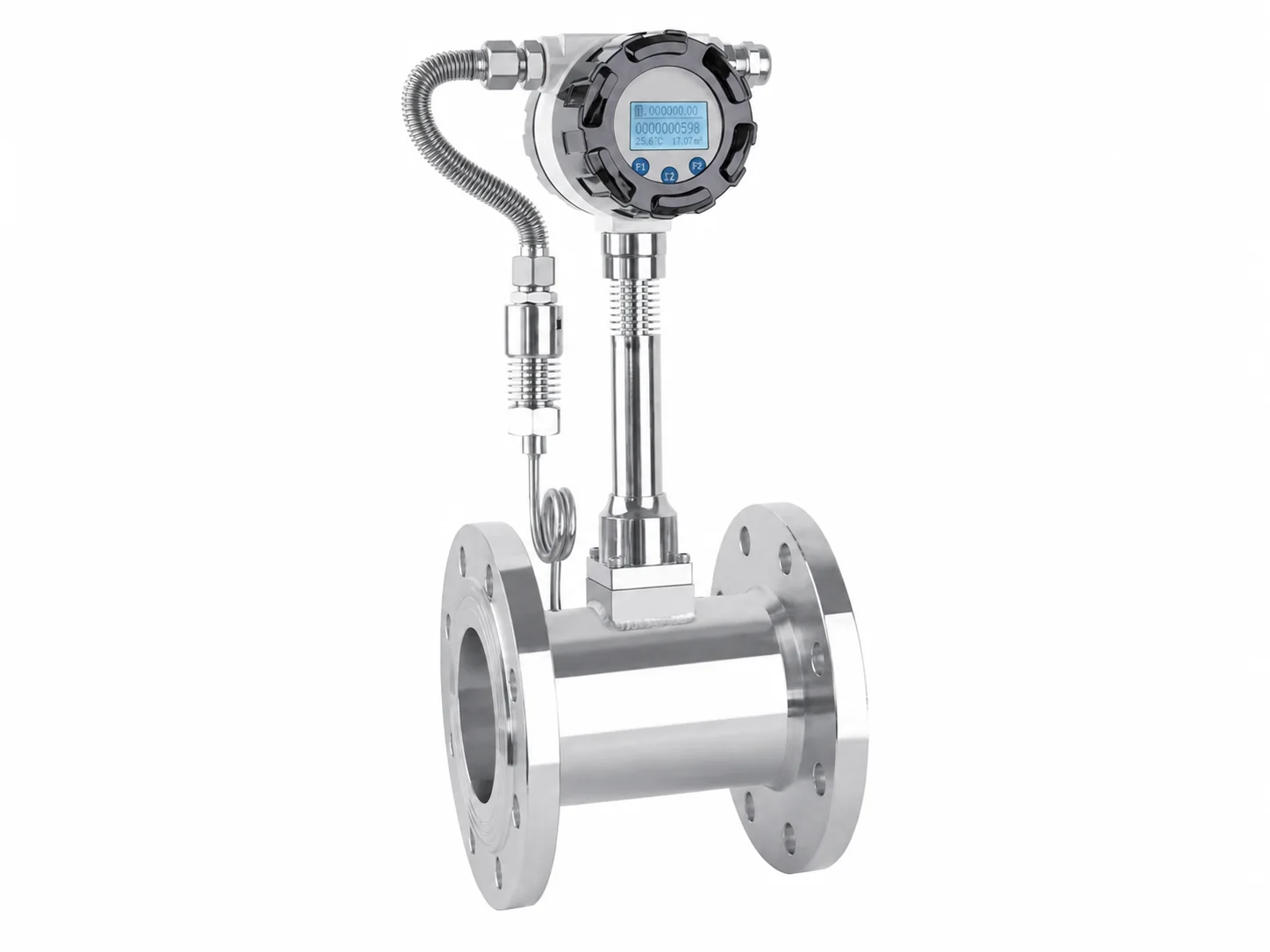
Vortex flowmeters are widely used in steam measurement, but in practice, issues such as steam state changes, vibration interference, and improper installation often lead to measurement errors. Based on industry technical principles and standards, this article systematically analyzes typical problems including Reynolds number limitations, two-phase flow effects, vibration interference, and insufficient temperature/pressure compensation, and proposes corresponding countermeasures such as proper selection, correct installation, enhanced maintenance, and digital signal processing to improve measurement accuracy and stability.
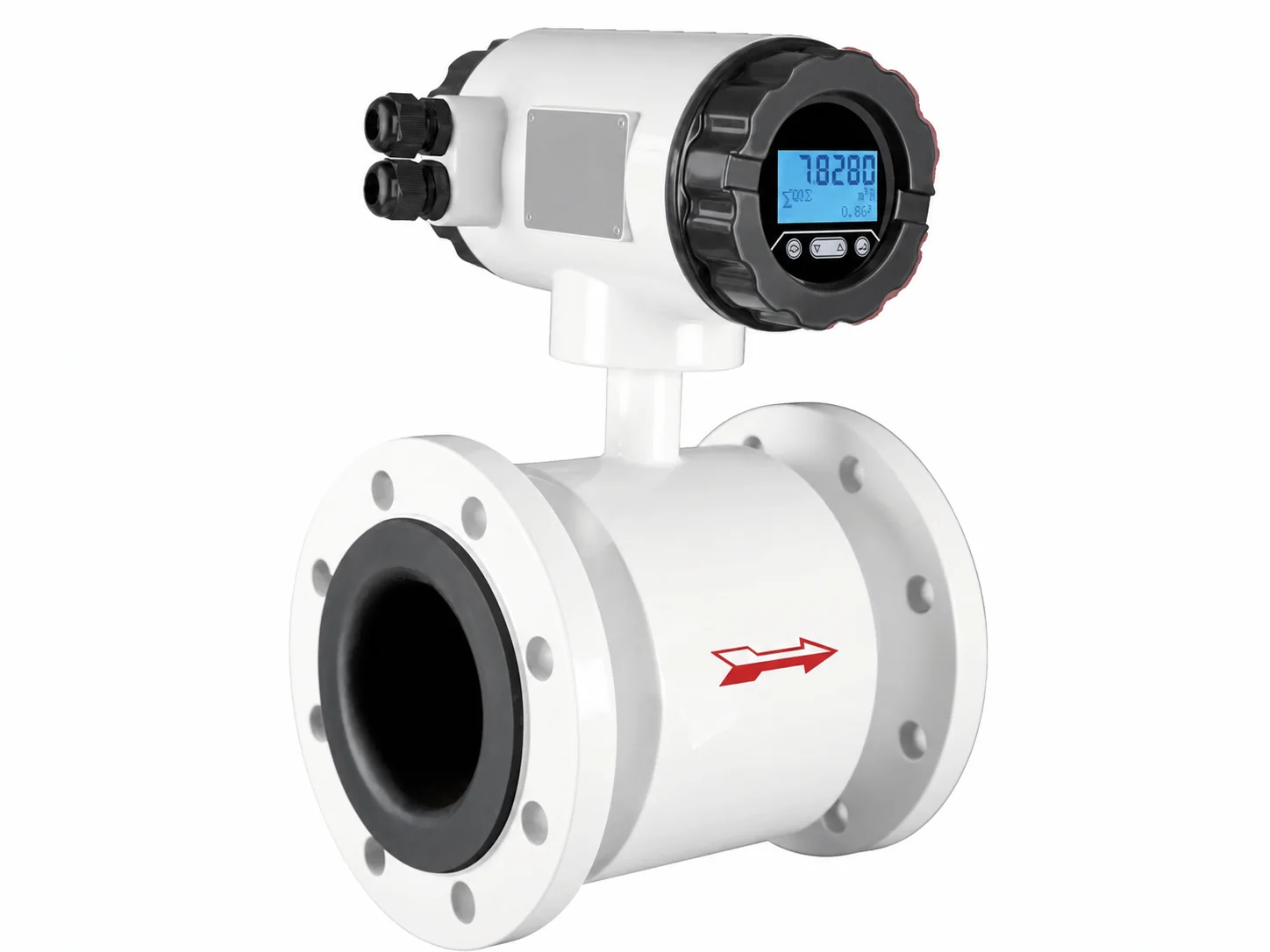
Based on the working principle of electromagnetic flowmeters, this article proposes key selection factors for different process sections (inlet pump station, aeration tank, dosing point, discharge outlet) in wastewater treatment plants, considering medium characteristics (impurities, bubbles, corrosiveness). It covers electrode material (e.g., Hastelloy, tantalum), lining material (polyurethane, PTFE), grounding ring, installation position, and signal stability. Referencing GB/T 18659-2023, practical selection suggestions are given to help engineers avoid common mistakes and ensure long-term reliable measurement.
This article starts from the working principle of vortex flowmeters, deeply analyzes key parameters in the selection process, including medium characteristics, pipeline conditions, flow range, accuracy level, environmental factors, and installation requirements. Combined with industry standards and engineering practice, it provides systematic selection recommendations to help engineers and application personnel choose the right instrument for stable and reliable measurement.
Intelligence, connectivity, and high precision are the three major trends in the flow measurement field.
This article analyzes flow meter selection under wastewater conditions from aspects such as lining material, electrode, and diameter selection.