1. Introduction
Driven by Industry 4.0, process industries are accelerating their transformation towards intelligence and digitalization. As a key instrument in process control, the remote monitoring capability of flowmeters is crucial for real-time production data collection, equipment status warning, and process optimization. Based on the practice of SIENCUN, this article discusses an overall remote monitoring solution for flowmeters using IoT technology.
2. System Architecture
The remote monitoring system adopts a layered architecture including perception layer, network layer, platform layer, and application layer.
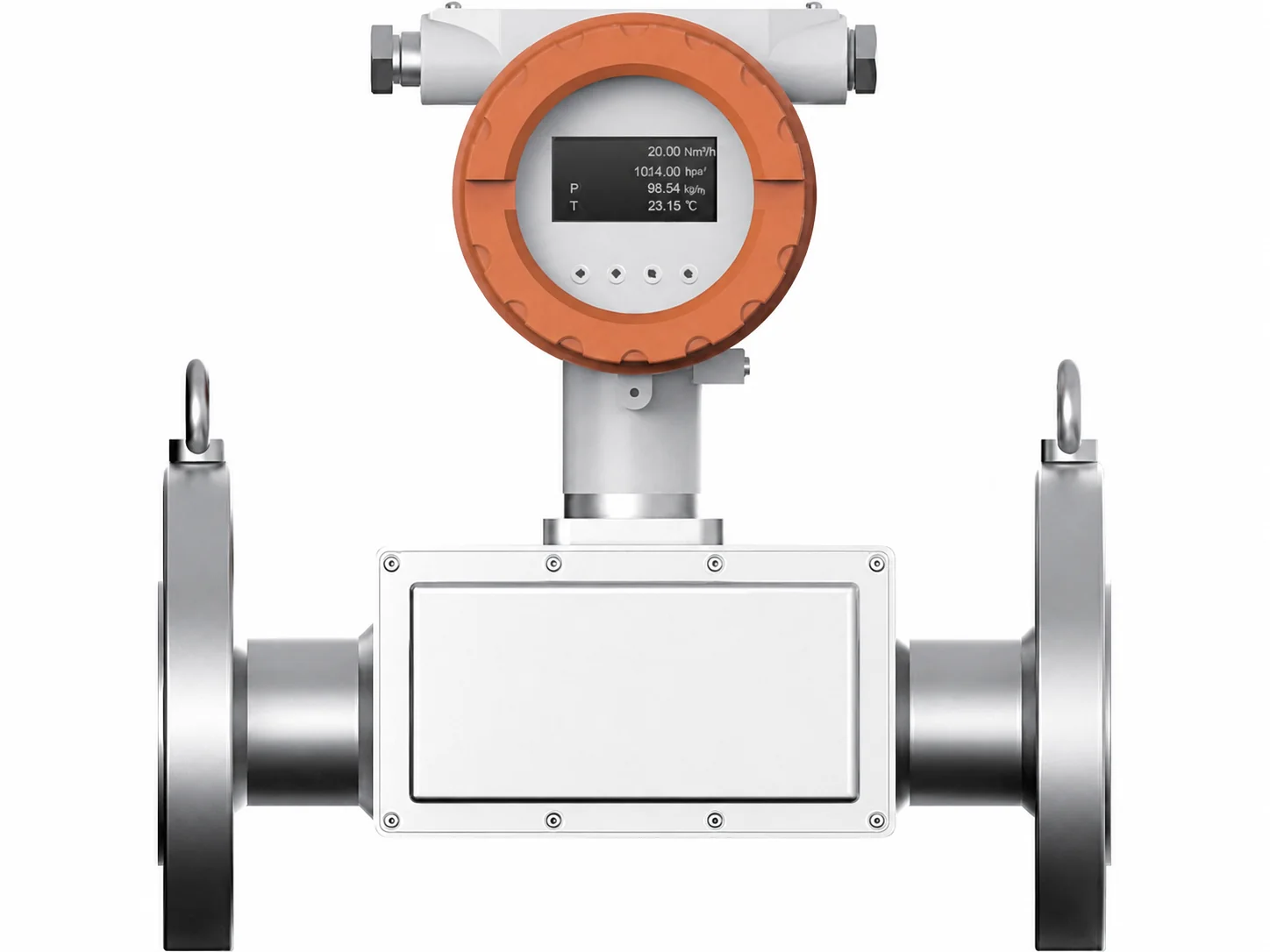
- Perception Layer: Consists of smart flowmeters (e.g., electromagnetic, vortex, Coriolis) with built-in temperature/pressure compensation sensors and communication modules supporting HART, Modbus RTU/TCP, Profibus PA, etc.
- Network Layer: Selects wired (Ethernet, RS485) or wireless (4G, NB-IoT, LoRa) methods based on site conditions to aggregate data to edge gateways.
- Platform Layer: Deployed on cloud servers or local private cloud, using standard protocols such as OPC UA, MQTT for data ingestion, storage, cleaning, and normalization.
- Application Layer: Provides real-time monitoring, historical trends, alarm management, report generation, and mobile APP access.
3. Key Technical Implementation
3.1 Data Acquisition and Communication
SIENCUN flowmeters support multi-parameter measurement (instantaneous flow, total flow, temperature, pressure, density, etc.) and upload data to gateways via Modbus TCP or MQTT. Gateways have edge computing capabilities for data filtering, anomaly detection, and local storage to prevent data loss during network interruptions.
3.2 Remote Configuration and Diagnosis
Using DD (Device Description) or FDT/DTM technology, maintenance personnel can remotely modify flowmeter parameters such as range, damping time, and low-flow cut-off without field visits. The system also automatically collects self-diagnostic information (e.g., electrode fouling, coil open circuit, sensor overtemperature) and generates maintenance suggestions.
3.3 Data Analysis and Alarming
The platform uses time-series databases (e.g., InfluxDB) to store high-frequency data and employs machine learning algorithms to establish flow baseline models. When real-time flow deviates from the baseline beyond a set threshold, the system sends alarms via SMS, email, or APP, with root cause analysis (e.g., pipeline leakage, pump failure, instrument drift).
4. Practical Application Cases
A municipal water company deployed the SIENCUN remote monitoring system covering 30 water supply network nodes. Through 4G wireless transmission, the dispatch center views real-time flow and pressure data at each node, combined with GIS for district metering. After system launch, the leakage rate dropped from 18% to 12%, and manual meter reading workload was reduced by 90%.
A large chemical enterprise applied this solution to 50 Coriolis flowmeters in its ethylene plant. By analyzing flow fluctuation trends, they predicted polymerization reactor fouling in advance, avoiding unplanned shutdowns and saving about 1.2 million RMB in annual maintenance costs.
5. Conclusion
The flowmeter remote monitoring solution is a typical application of Industry 4.0 in process measurement. Through standardized communication, edge computing, and cloud platform collaboration, data-driven O&M is achieved. SIENCUN will continue to optimize products and solutions to support customers' digital transformation.